
Hand cranks and wax cylinders
Early audio reproduction began with the invention of the phonograph by Thomas Edison in 1877- horizontal tinfoil or wax cylinders powered by a hand crank, capable of both recording and playback. About 10 years later Emile Berliner followed with his gramophone, a playback-only device utilizing shellac or hard rubber discs, also powered by hand.
Tape, vinyl and the format wars
Inventions evolved from drum/cylinder based formats to the introduction of the cassette tape in (surprisingly) 1930, while the vinyl LP joined the fray in 1948 by Victrola (at a speed of 78 RPM) followed by the 8-track in 1966. The format battle between 8-track and cassette was won by the latter, due to the smaller size and recordability of the cassettes.
Sony introduced the wildly popular cassette Walkman in 1979 with worldwide success, improving portability. In 1980 we were treated to the vastly improved digital sound quality (over tape-based formats) of CD’s by Philips. Sony attempted their next media offering with the recordable MiniDisc. The small disc in its protective hard case didn’t survive, and folded in the late 1990’s.
From shelves to files
3 physical media formats- albums, cassettes and CD’s- are still available. In the 90’s the initial non-physical forms appeared. MP3’s- (audio files compressed to 10% of their original size)- which are both playable and sharable via personal computers and various memory devices, appeared on the scene.
Napster and other audio file sharing companies emerged, allowing us to gain access to each other’s files and copy them to our own files or memory devices.
Apple released iTunes in around 2001 along with the iPod, which provided us with extremely portable methods of carrying extensive music collections. These allowed us to listen via headphones as well as connecting to our home or car audio systems. Convenience and portability were king.
The timeline at a glance
From a hand crank to the phone in your pocket.
- 1877PhonographThomas Edison. Tinfoil or wax cylinders, hand crank, record and playback.
- 1880sGramophoneEmile Berliner. Shellac or hard rubber discs, playback only.
- 1930Cassette tapeIn (surprisingly) 1930.
- 1948Vinyl LPJoins the fray.
- 19668-trackLoses the format battle to the smaller, recordable cassette.
- 1979WalkmanSony makes music portable, worldwide.
- 1980CDDigital sound, vastly improved over tape.
- 1990sMiniDiscSony’s recordable disc folds in the late 1990’s.
- 1990sMP3 and NapsterFiles compressed to 10% of their size, shared online.
- 2001iTunes and iPodWhole collections in your pocket.
- TodayStreamingMost music, with vinyl, cassettes and CD’s coming back.
Where we are now
Presently the most popular audio source is streaming, dominating most (but not all) music. Cassettes are making a subtle resurgence, CD’s faded for over a decade, but are making a slow reappearance. The venerable turntable which has all but disappeared for decades has refused to die, and some retailers are again stocking a “vinyl” section, offering both new and classic albums.
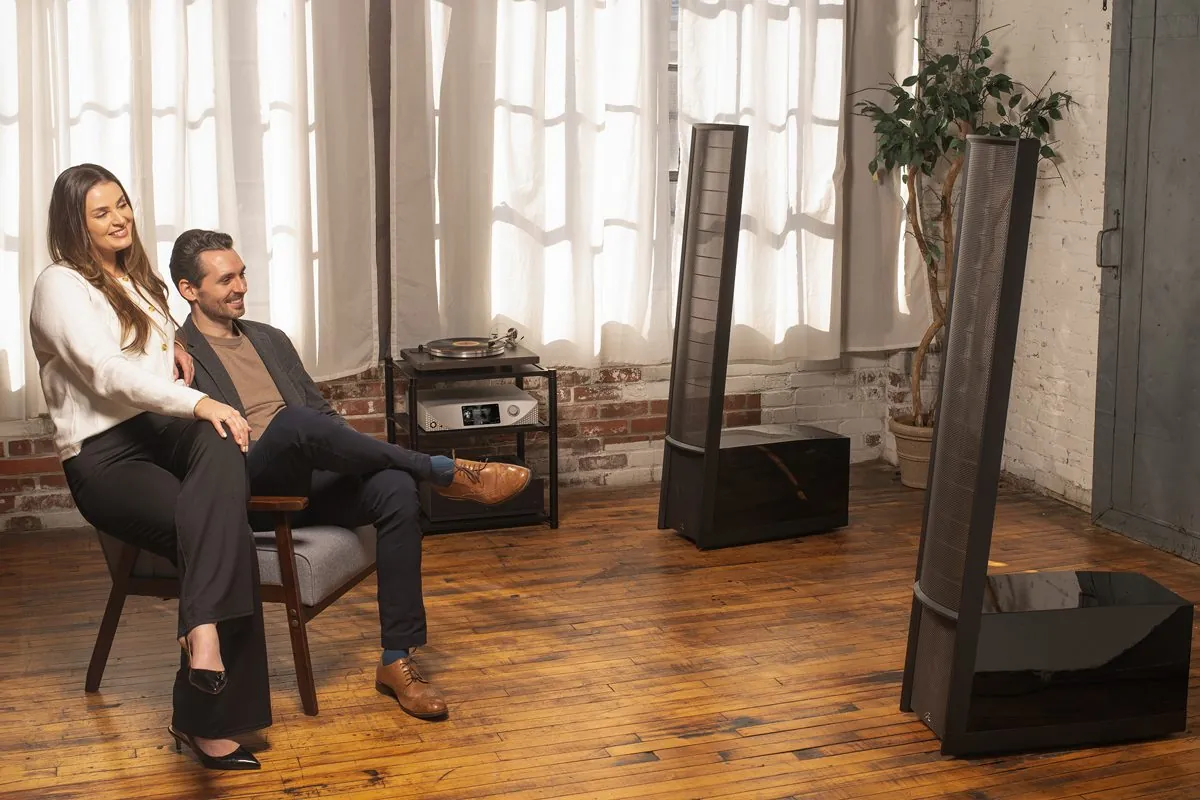
“Old school” music is still here, and you will likely be seeing more and more physical media in the upcoming future. You may even find yourself recalling some favorite album art, remembering reading the liner notes inside, or listening to songs that never made the cut. Hopefully it will take you back, as well. And maybe you recall some of your previous media styles, or were just enlightened as to something your parents had.
We hope we provided some insight in this overview, and you possibly learned something relevant (as I did during my research).
Thank you!