
Two-Channel Audio and Music Listening Rooms
A great pair of speakers, the right amplifier and a room set up around the chair you actually sit in. Designed, installed and tuned by Entertainment Pros in Clearwater, and anywhere you need us.
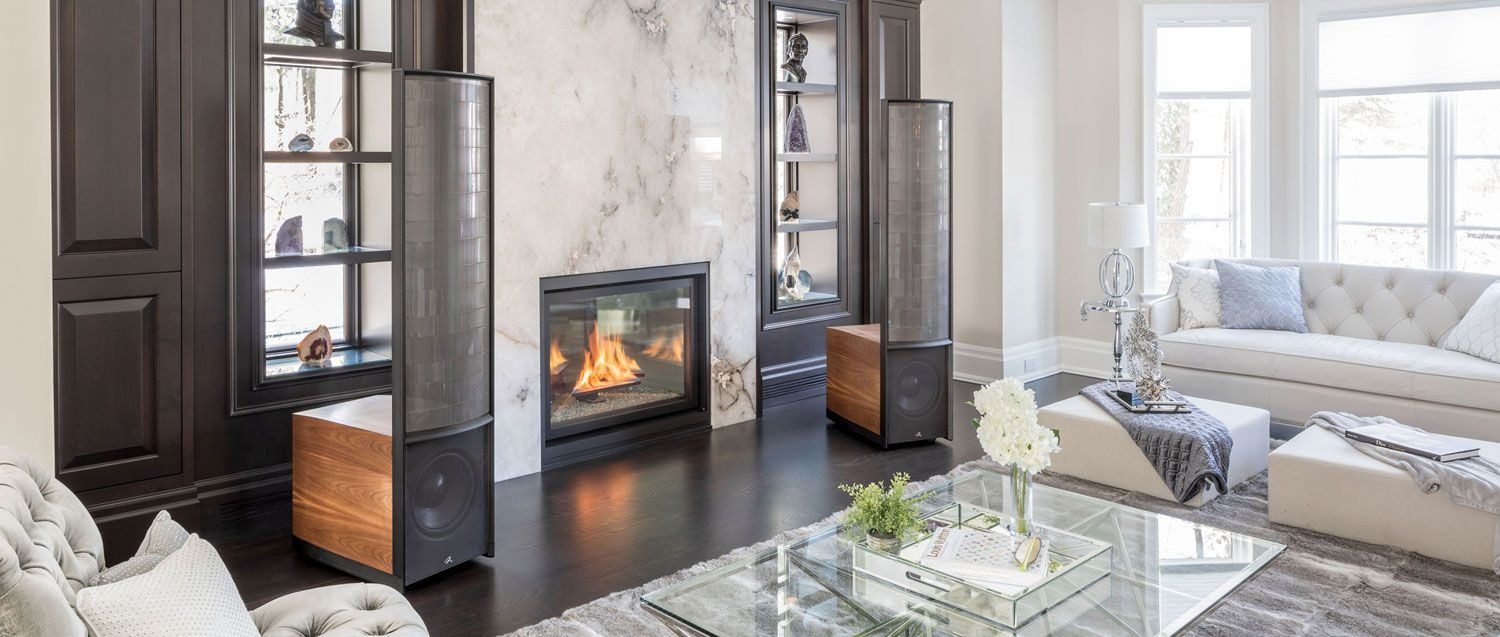
Leave the Phone in the Other Room
We used to sit down and listen. One side of a record ran about twenty minutes, and for those twenty minutes nobody checked anything. Friends came over and somebody put an album on. Families argued about whose turn it was to pick.
Somewhere along the way the phone took that time. Music turned into background for scrolling. Movie night became four screens in one room. The evening we meant to spend relaxing turned into an hour of headlines that left us more anxious than when we sat down.
A listening room is the opposite of that. One good chair, two speakers set up properly, and a reason to leave the phone where it is. It is not anti technology. It is the best technology in the house, pointed at one thing, so that for an hour the only thing you are doing is hearing music the way it was recorded.
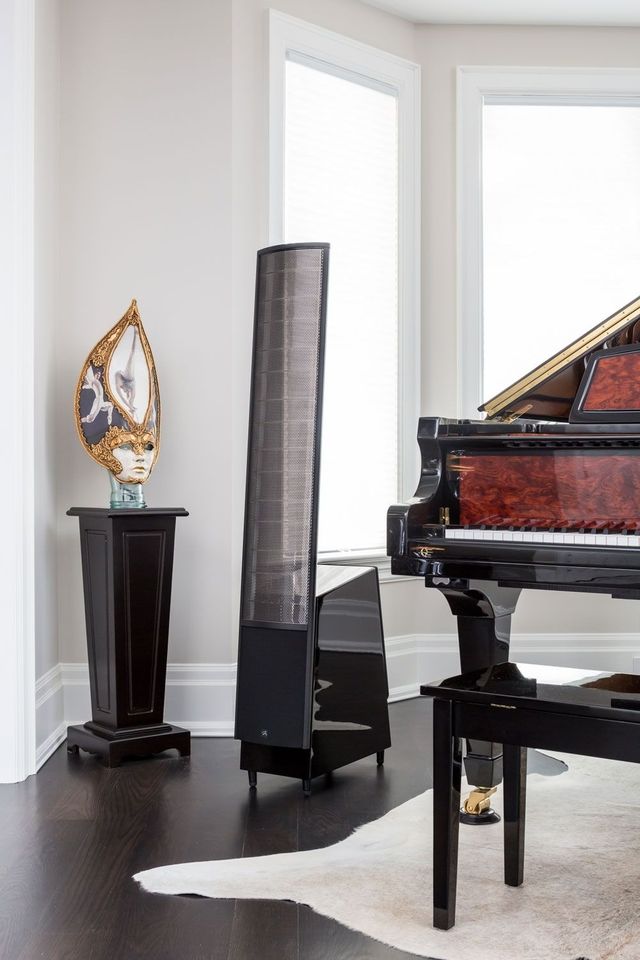
The point is not the equipment. The point is the hour you get back.
From the Concert Hall to the Earbud, and Back Again
Stereo was invented to put a performance in front of you. The idea was patented in 1931 and stereo records reached living rooms in 1958: two channels, two speakers, and a band laid out across the room between them.
Then convenience won, one format at a time. The cassette, the CD, the MP3, and finally streaming through a phone speaker or a pair of earbuds. Every step made music easier to carry. Almost every step also made it easier to ignore.
Two channel audio is a return to where it started, with forty years of better engineering behind it. Most of the music you love was mixed on a pair of speakers, by people sitting in a chair in front of them, and a good two channel system is simply the most direct way to hear what they heard.
-
1931
Stereo is invented
A patent for putting a performance in front of you, with two channels.
-
1958
Stereo records
The stereo LP reaches living rooms, and the band spreads out between two speakers.
-
1963
The cassette
Music fits in a pocket and a car. Convenience starts to win.
-
1982
The CD
Clean and digital, and it lives in the car and the kitchen.
-
Late 1990s
The MP3
A thousand songs in your pocket, squeezed to fit.
-
2010s
Streaming to earbuds
Every song ever made, played through a phone speaker or a pair of earbuds.
-
Today
Back to two channels
A pair of speakers, a chair, and the phone in the other room.
What a Two-Channel Audio System Actually Is
Two channels, left and right, playing through two speakers in front of you. That is the whole idea. Everything else is about doing those four links in the chain well.
The source
What the music comes from. A turntable with a phono stage for records, a network streamer for the services you already pay for, a CD player, or your own library of files. Most rooms end up with two of these.
The amplifier
An integrated amplifier puts the preamp and power amp in one box, often with streaming and a phono input built in. Separates split them apart. Tube or solid state is a taste question we will help you hear, not a spec sheet.
The speakers
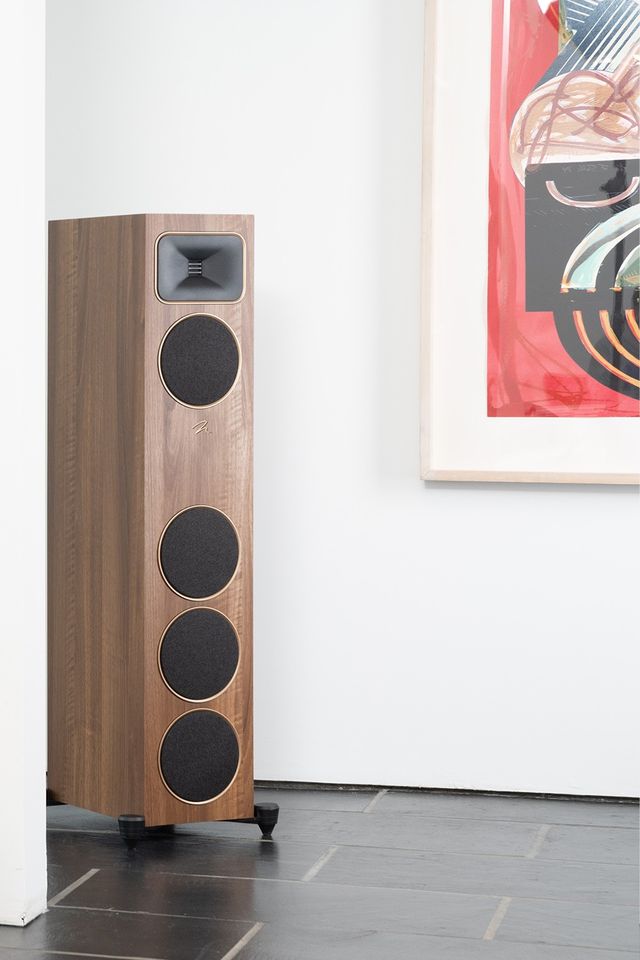
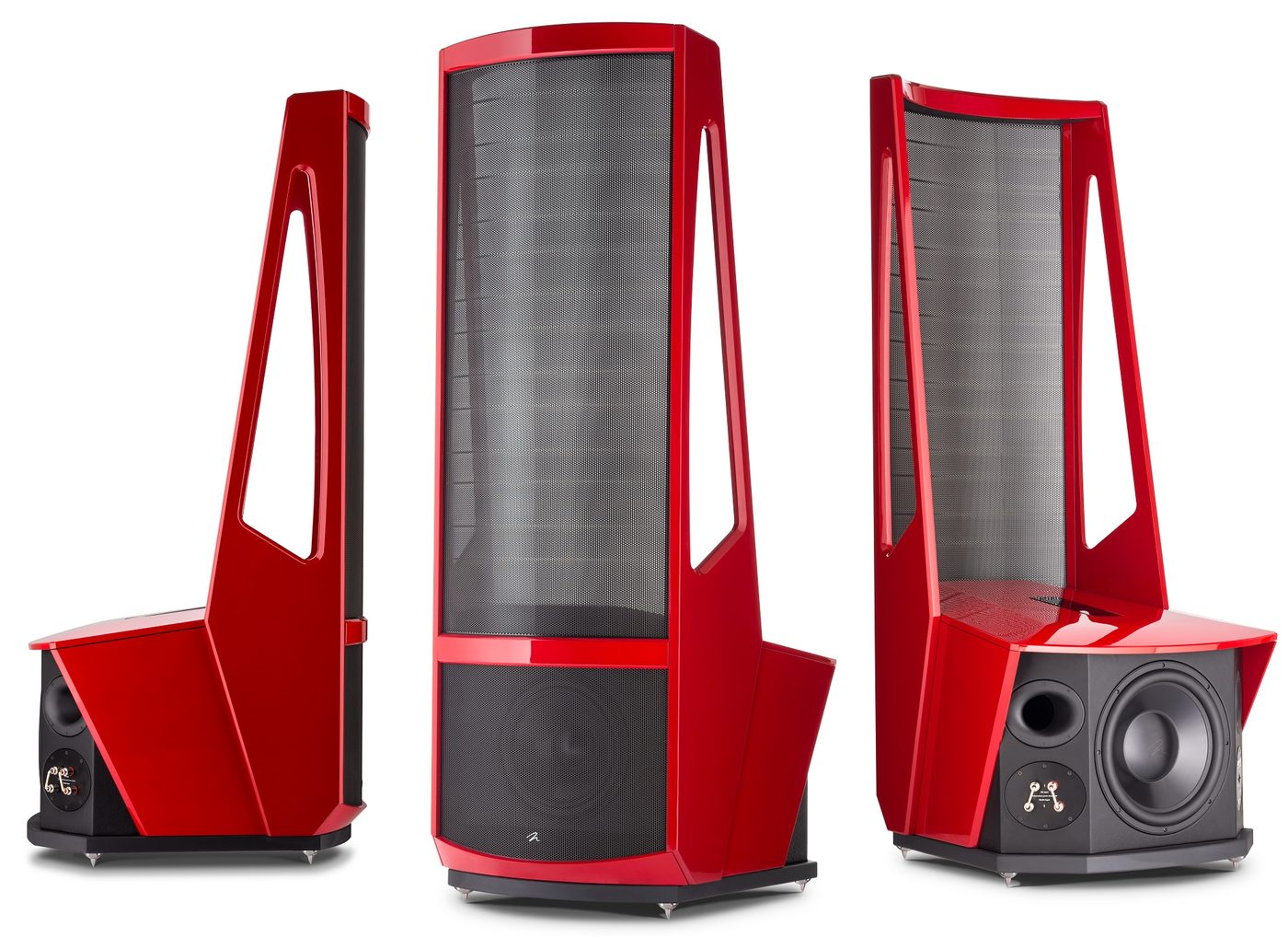
Bookshelf speakers on proper stands, floorstanding towers, or electrostatic hybrids. Bigger is not automatically better. In a smaller room a great pair of stand mounted speakers often beats a pair of towers.
The room
Where the speakers sit, where your chair sits, and what the walls and floor do to the sound. The room is half of what you hear, and it is the part most systems get wrong.
Two Channels Is How You Get the Concert, Not Just the Recording
Set up properly, a good pair of speakers does something that surprises people the first time. The speakers seem to disappear, and the band shows up in the space between them. The singer is in the middle. The drums are a little behind. The guitar is off to the left, where it was when they recorded it.
That picture of the stage, what audio people call imaging, is already in the recording. Two channels played through a matched pair in the right spot is how you get it back. It is why the first song on a properly set up system so often turns into an album.
We walk you through all of it: choosing the right pieces for your room and your music, installing them cleanly, and tuning the setup with you sitting in the chair. If you already know what you want, we will set it up right. If you are not sure where to start, that is the conversation we like best.
From the First Call to the First Listen
Every step is a person, from the first conversation to the afternoon we sit in your chair and adjust the speakers by ear.
A conversation about what you listen to
What music, how loud, how often, and what you already own. This shapes everything after it, so it comes first.
We look at the room
Where the seat can go, what is behind the speakers, the floor, the windows, the open doorways. In Pinellas we come to you; farther away we start from photos, measurements and a video call.
A design on paper
Source, amplification, speakers, placement and what stays. This is the point where brands and models come into it, and not before.
Installation
Clean wiring, in the wall where the room allows, and anything electrical done by a licensed electrician.
Tuning with you in the chair
Speaker position matters to the inch. We move them, listen, measure and move them again with you sitting where you will actually sit.
A follow up after you have lived with it
Rooms change once furniture moves in and ears adjust. We check back and fine tune.
Not in Pinellas? We Still Do This
Entertainment Pros is based in Clearwater, Florida, and we will travel to design, install and tune a listening room. We can also help you choose the right system to have installed where you are.
- You send us the room. Photos from the listening seat and from behind it, rough dimensions, what is on the walls and floor, and a list of what you already own.
- We design it with you remotely. A video call, then a written plan covering placement, components and what stays, before anyone gets on a plane.
- We come to install and tune. The part that has to happen in person, done in person: setup, placement and tuning in your chair.
- Local work stays local. Anything that needs a licensed electrician or a permit in your state is done by one. Our Florida low voltage license is ES12001376.
- Or just help choosing. If you already have someone local to install it, we can design the system and help you pick it, and they take it from there.
Almost Any Room Can Become a Music Listening Room
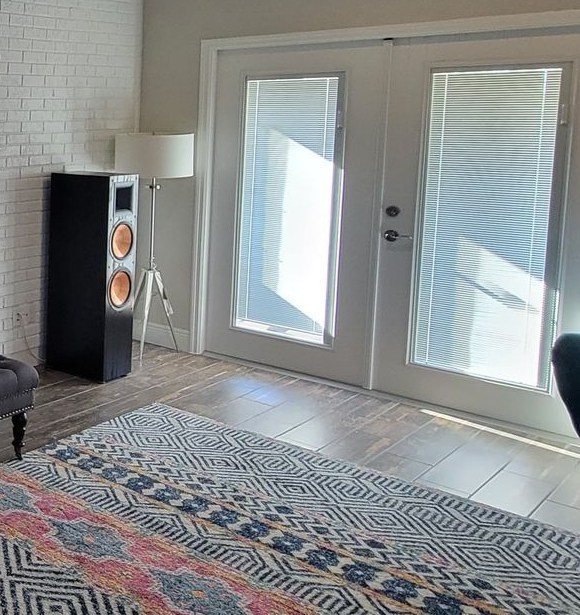
You do not need a dedicated space. A living room, a den, a home office or a bonus room can all become a great place to listen. What matters is how the speakers and the seat relate to each other and to the walls.
- The triangle. Your seat and the two speakers form a triangle, roughly equal on each side. Get that right and the stage snaps into focus.
- Room behind the speakers. Pulling speakers out from the wall tightens the bass and opens up the sound. Some designs, electrostatics especially, need more space here than others.
- Soft before panels. A rug, curtains and the right furniture handle more reflections than most people expect, before any acoustic panels go up.
- Open floor plans work. Bass behaves differently when the room opens into a kitchen, and we place for it rather than fight it.
- A TV can stay. A screen between the speakers affects the center image a little. We plan around it instead of asking you to move it.
What we will be honest about
Some layouts fight you: a seat pushed flat against the back wall, speakers that can only go in corners, a room that is mostly glass. We can improve almost any of them, and we will tell you up front if the room, not the equipment, is what is holding the sound back.
What a Listening Room Takes, Level by Level
Three honest starting points. Every room lands somewhere different, but this is how the pieces usually come together.
A Great Pair, Set Up Right
The biggest jump in sound most people will ever hear comes from this step alone.
- Bookshelf speakers on proper stands
- An integrated amplifier, often with streaming built in
- Placement and tuning for your seat
- Clean, hidden speaker wiring
A Real System
For people who sit down to listen most evenings and want the detail to keep going.
- Floorstanding or larger stand mounted speakers
- Separate sources: a turntable and phono stage, a dedicated streamer, or both
- A subwoofer blended in, if the speakers need one
- Basic room treatment where it earns its place
A Listening Room
A room designed around the music, from the outlet in the wall to the chair.
- Speakers chosen for the room, including electrostatic hybrids
- Separates matched to the speakers
- A dedicated electrical circuit
- Acoustic treatment, seating and lighting designed together
We do not post prices here, because two rooms at the same level can cost very different amounts depending on the room itself. The planner below gives you a starting point, and a conversation gives you a real number.
You Probably Do Not Have to Replace Everything
Most people who call us already own something. A receiver from a few years back, a pair of speakers they bought when they moved in, a turntable that has been in a closet since college. The quiet worry is being told it is all junk.
Sometimes it is. Often it is not. A good pair of speakers can sound years younger on the right amplifier. A perfectly good amplifier can sound tired because the speakers are jammed into a corner. Sometimes the equipment is fine and the room is the whole problem.
So we start with what you have, listen to it in place, and only replace the piece that is actually holding the rest back. We have written more about reusing the equipment you already own.
Why Two Channels Beats Surround Sound for Music
Surround sound is wonderful for movies. For music, two great speakers almost always beat five or seven good ones at the same budget.
Two channel, for music
- Most music is mixed and mastered for two speakers, so you hear it the way it was made
- The whole amplifier budget goes to two channels instead of being split across five or more
- Fewer speakers means better speakers for the same money
- The pair can go exactly where it sounds best, not where the TV room allows
Surround, for movies
- Movie soundtracks are mixed for surround, with effects behind and around you
- A center channel locks dialogue to the screen
- A subwoofer carries explosions and low effects
- The right choice when the TV is the main event
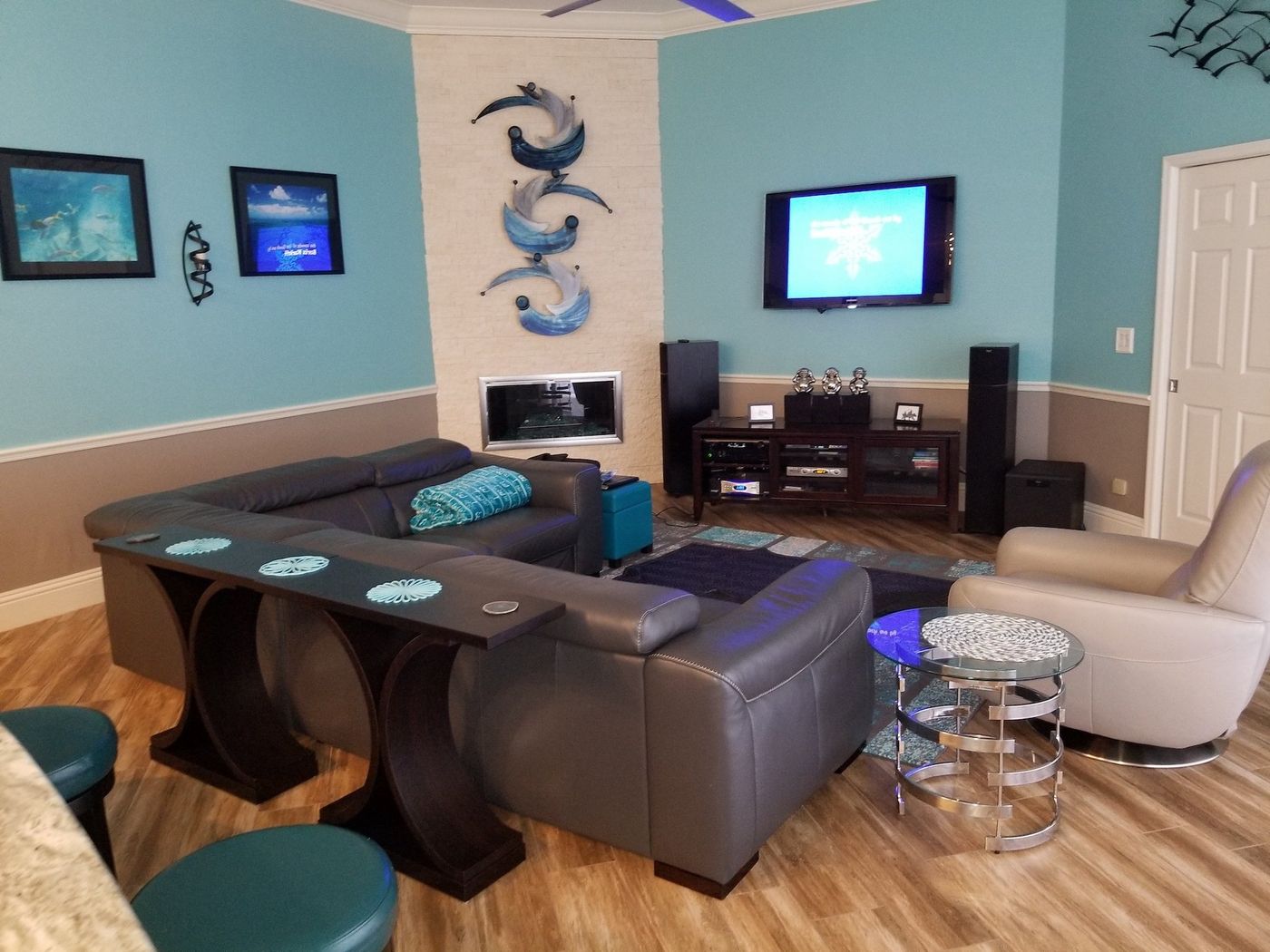
Pairing a TV with a stereo
You do not have to choose. A strong two-channel pair can play music on its own and carry the TV when it is on, so movies and shows sound far better than through the TV's own speakers. Dialogue stays centered between the pair, and the room still gets a system built for music first.
If movies are the main event, a surround system is the better call. If music is, start with the pair and let the TV share it. Most rooms we do land somewhere in between, and we plan them that way.
Designed by People Who Listen First
Entertainment Pros is Chip Tollefson's company. Before Chip spent two decades building home audio systems, he spent sixteen years in the Marine Corps as an avionics specialist on the F/A-18. He still treats a speaker cable like it is going on a jet.
That is the difference you are paying for. Anybody can sell you a pair of speakers. We design the room around them, run every wire like it matters, and stay until it sounds the way it should.
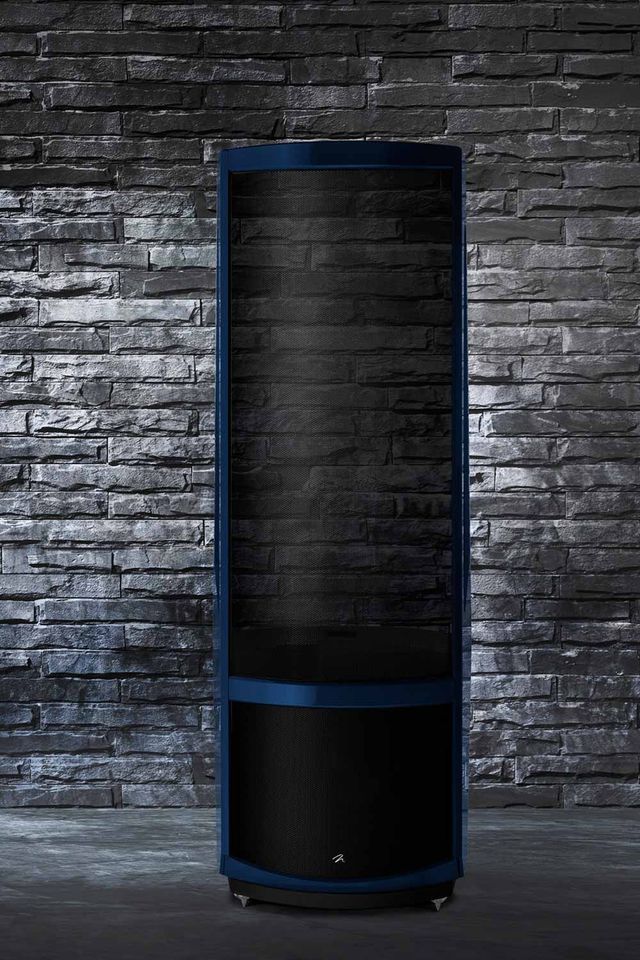
We do not talk brands until we understand the room and how you listen. Being a dealer means we know these lines well. It does not mean we lead with them.
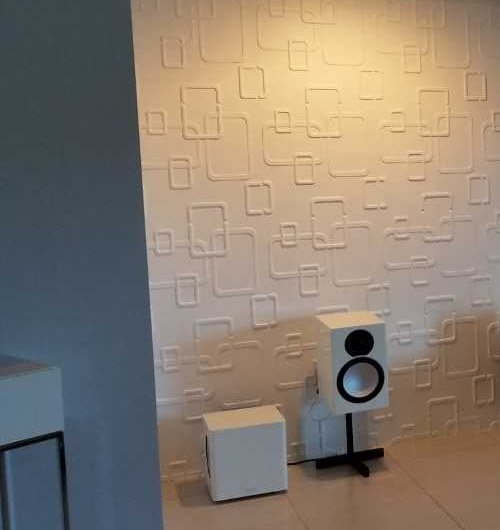
Two Channels, Left and Right
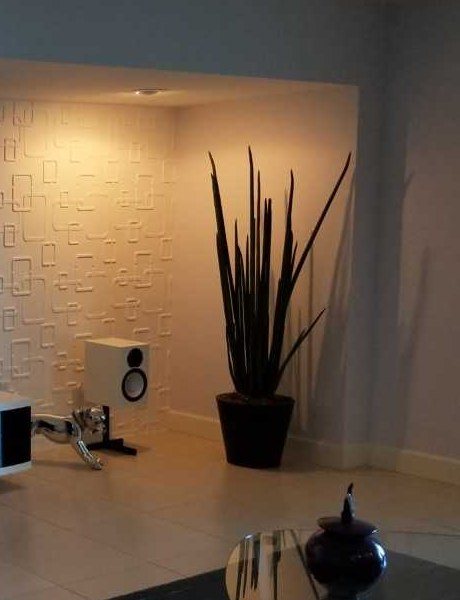
A matched pair of bookshelf speakers on dedicated stands, set up in a client's living room. Same speaker, same height, same distance from the seat: that symmetry is where the stage between them comes from.
Two-Channel Audio Questions
Plan Your Listening Room
Four short steps about your room, how you listen and where you want to land. You get a rough equipment list on the spot, and you can send the whole thing to Chip.
Chip has your room.
He reads these himself and will reach out to talk through the design and the brands he would recommend. If you would rather talk now, call 727-804-2277.