
Smaller files, smaller sound
The transition to our immense audio collections in tiny storage devices (iPod, etc.) or streaming from our phones came with a downside - file size. The smaller your music files, the more you were able to store in your pocket. Music became more and more compressed- removing information from the songs to make them smaller, allowing more songs in the same space. Compression removes details, so audio quality suffered.
Next in the audio history came streaming services- Pandora and Spotify. You no longer needed to have your own music files, you were now able to “rent” them online. Compression was still in effect, allowing you to stream more music on small phone data capabilities. Music was just not as detailed as it could be, and some noticed.
Audio quality, worst to best
Awareness is knowledge, so here are SOME various audio quality levels. Not going to break down the numbers, they are ranked from worst quality to best quality.
Not listed by number is Bluetooth, a very popular streaming method, but it varies greatly due to phone compression quality and actual network signal strength, which can vary even during the same song (although later model phones and increasingly better networks are rapidly resolving Bluetooth quality levels). Bluetooth convenience is difficult to beat. It also is not truly an audio “quality” but a varying quality method of streaming your music files or apps to your ears or playback method (audio system, headphones, or phone speaker).
Compressed, lossless or hi-res?
Music is still compressed for many (most, actually) of us, but some prefer quality over quantity. Current music streaming platforms (phone/online apps) are Pandora, Spotify, Tidal, Qobuz, Deezer, and many others. The various streaming platforms offer differing levels, from compressed (to save space or bandwidth) to Lossless (around CD quality) to Hi-Resolution for ultimate audio quality. The more you care about audio quality, the higher resolution you should choose. To most ears, “Lossless” compression is similar to CD quality.
Streaming Providers
Pandora
“Radio Station” plays a genre, not specific songs
up to 192 kbpsSpotify
One of the most popular
LosslessApple Music
For Apple Users
LosslessDeezer
CD qualityQobuz, Tidal
Dedicated Audiophile, Purists
When streaming, you can select your provider by cost, song vs genre, or audio quality, and they all have selling points- but the best for quality is usually cited as Qobuz or Tidal among those who seek the best for sonic accuracy.
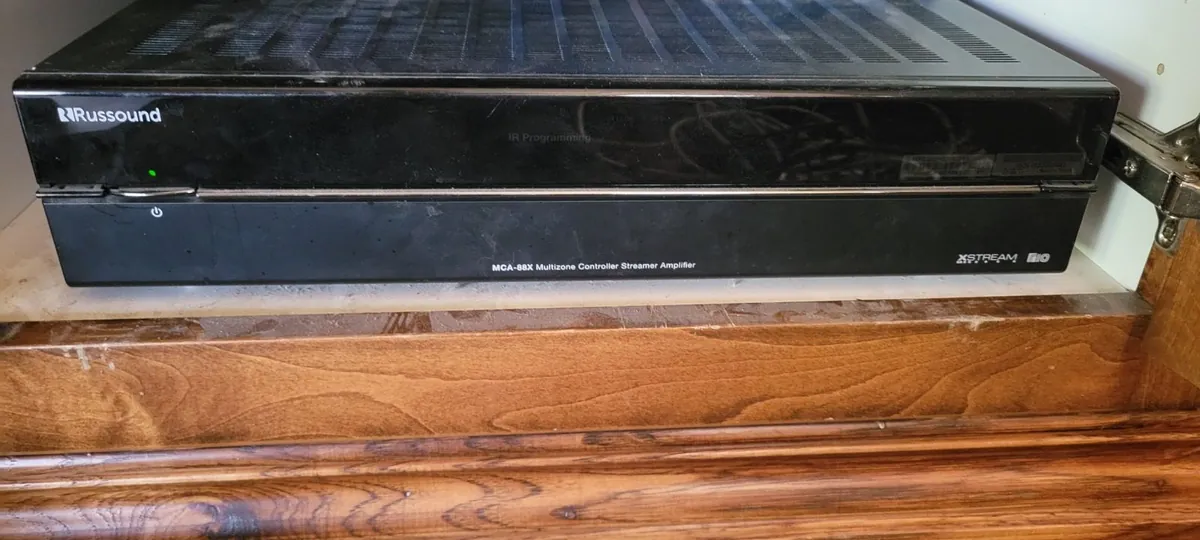
Your streaming DEVICE also matters, not just the streaming PROVIDER. The DEVICE can be a Sonos Port (very popular streamer for many seeking streaming music) or it can be one of many Hi-Resolution streamers for top-tier sound.
A note about your music streaming- to ensure you are getting the quality you desire, make sure you have a solid internet signal.
Now, which provider works for you? Which streaming device, a basic model or Hi-Res streamer to get all of the sound out of the song?