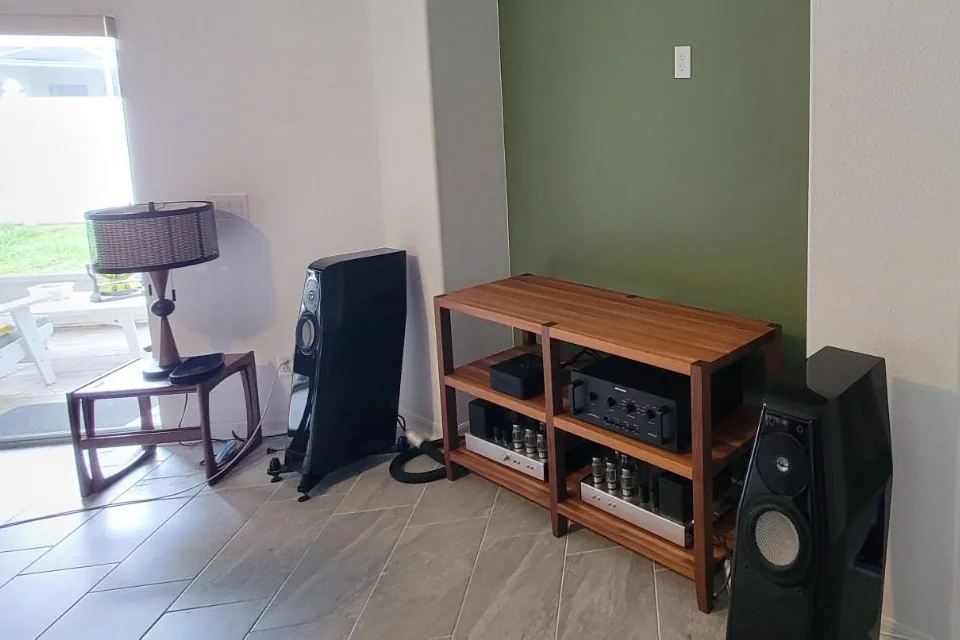
One speaker
From the dawn of audio we had 1 speaker. It was small, produced poor audio quality, and we liked it. People huddled around to hear whatever sound was coming out of this miraculous little electrical device.
Two channels: stereo
We transitioned next to 2 channels, “stereo”, a left and right speaker in front of us. Different music recorded and played in each speaker (only slightly different) or an instrument on one side, another instrument on the other side. This was the “stereo separation” that made it much more enjoyable.
Surround sound
This was followed sometime later by “surround sound”, (1) central front speaker primarily for dialog, (2) rear speakers, added behind you. Speakers all around you (more prevalent for video/movie reproduction).
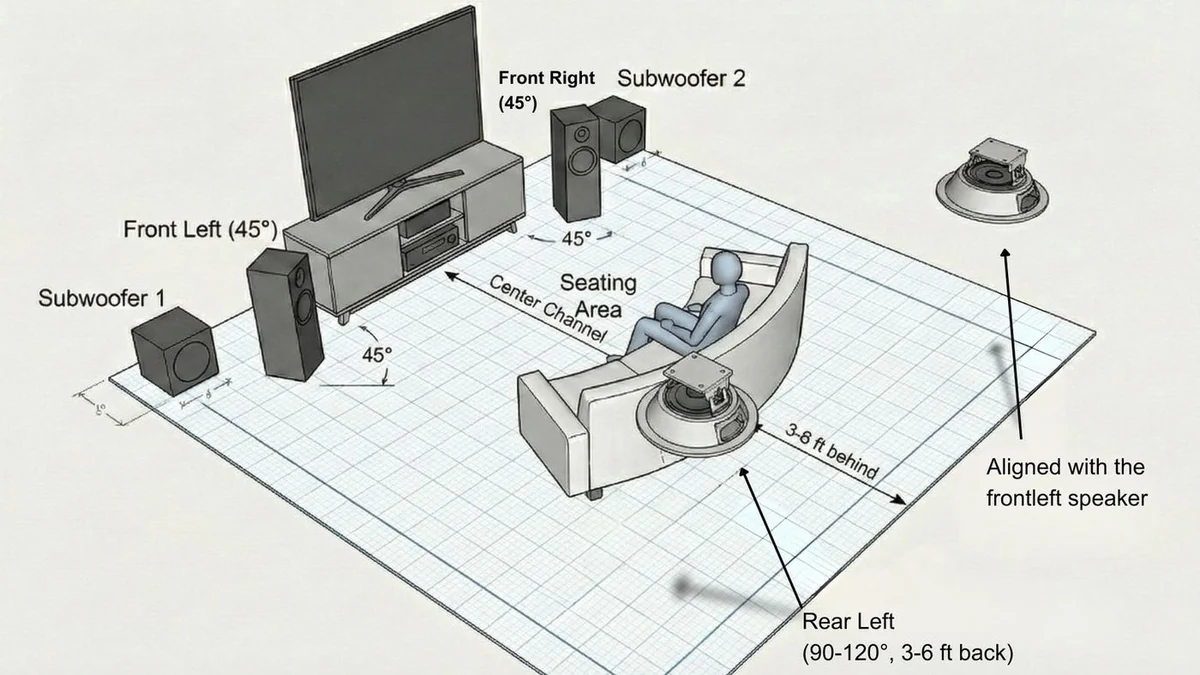
More speakers. And more speakers.
After the initial surround sound came more advanced profiles. More realistic music and movies added a subwoofer to reproduce the very lowest frequencies. Then more speakers. And more speakers. Surround back, front presence, Dolby Atmos speakers. Side speakers, ceiling speakers, front speakers, rear speakers, dual subwoofers.
Back to two channels
Properly recorded and replayed music should reproduce the sound as it was intended in the concert or recording studio.
Then back to 2 channel- wait, what? Why would we devolve back to 2 channels? Some never left. They remained “Hi Fidelity” purists. They focused on concert realism, focusing on the music in front of you. Like the concert. HiFi never died, it hung on. They felt properly recorded and replayed music should reproduce the sound as it was intended in the concert or recording studio. That is what 2 channel “HiFi” is about. Thus the transition to our next topic, #4). “High Fidelity and the Audiophile”.